- Oct 28, 2026
A Guide to the Phases of Deer Season in the Southeast
Early Season
Depending on when your opener is, you may beat the acorn drop. When this happens deer will typically still be in their summer patterns. If you’re hunting public land, it’s best to find an early season green browse the deer are feeding on. I would recommend finding browse lines near thickets because deer typically aren’t moving far when it’s hot out. You’ll see the tips of plants nipped off and fresh poop once you find the right spot. If your state allows and you have private access, this can be a great time to scatter corn out close to bedding. I’ve had better success killing deer by spreading corn thin, similar to a natural mass fall versus a big pile.

The Acorn Shift
Once acorns start dropping deer will shift into their fall pattern and feed heavily when they find high producing oaks. Local rainfall amounts will have an effect on timing. In years with little mast you can hit a gold mine if you find a loaded acorn tree. When the mast crop is everywhere you have to look for other limiting factors such as bedding proximity, and water sources. Areas with all the habitat features in close proximity will typically hold the most deer in daylight. Some of my favorite hunts have come from scouting midday and finding an acorn tree that’s been torn up near cover, and just seeing what shows up. When you see one with the leaves messed up, acorn caps broken, and fresh deer poop, you know you’re gonna be in for a good sit.

The Southeast Trickle Rut
The Southeast has a very weird rut. It varies by county, and I’ve seen chasing activity in September all the way into January and I’ve even heard of it in March. Genetics, historical restocking, buck to doe ratio being off, and mild winters are some of the factors causing the “trickle rut.” The best way I’ve found to pin down an area’s rut is to leave a SD camera out for a whole season. You can write down notes of when rut activity was, and plan to hunt those areas on those date ranges the next year. Here in the Southeast, we have a lot more cover than in most states, so sticking to the thick stuff can pay dividends when it comes to catching a mature buck on a doe. Rattling and grunting in these thickets can be very effective but be sure to make it as realistic as possible. If you’re rattling, making racket in the leaves adds realism. I recommend trying different things until you find a technique that works well for you.

Late Season
The late season can be a great time to kill a big deer. Most people have given up on hunting and the bucks are typically getting hungry. Most of the white oaks acorns have rotted by now and the food sources are limited. Food sources and areas to focus when hunting public are red oak acorns, live oaks, privet hedge thickets, and pine thickets. If you can find these food sources near these thickets you're going to find deer. This is another great time to capitalize on feed sites or food plots on private land. Another thing to look for is young does entering their first heat cycle in the late season dragging a buck onto a food source. If you have a young doe come out acting nervous or looking behind them, be ready for a big buck to pop out!

I hope you find value in these tips and tactics. In 2026 there are so many ways to hunt deer and so much technology coming out it can be overwhelming. Always remember deer hunting is something that is supposed to bring us joy, and a time to make memories with loved ones. Don’t take yourself too seriously and always be ready for adversity. Being able to keep a positive mindset and being open to trying new tactics will allow you to grow as a deer hunter and can be your most valuable asset. I wish everyone the best of luck this season!
-

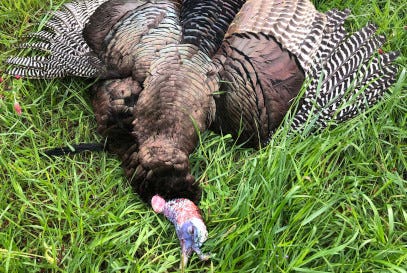
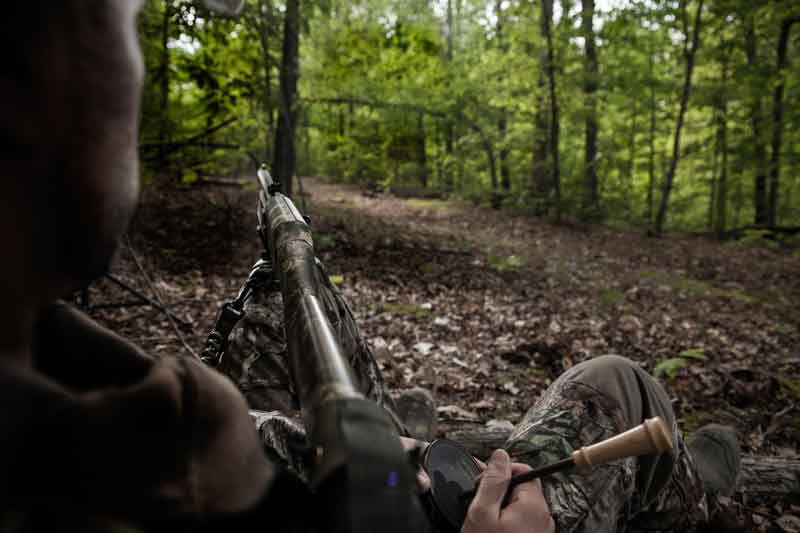
As you transition to mid and late season turkey hunting, remember that this can be a very tough time to attract a Tom that has been pressured. Also, as the season wears on many of the hens are ready to breed and spending nearly all day with the gobblers. Try these tactics during your mid season turkey hunts.
-
![]()
Early season gobblers can be moody. Make sure you know how to read his demeanor before yelping back.
-
![]()
Learn to read turkey sign including tracks, scat, feathers, dusting areas, and roost trees and hunt with confidence this season.